Understanding the Scope of Professional Stonework and Concrete Services
A masonry contractor specializes in constructing and repairing structures made from individual units like brick, stone, concrete blocks, and poured concrete. These professionals bring structural integrity and aesthetic appeal to both residential and commercial properties throughout Lawrenceville and the surrounding Gwinnett County communities.
While the terms are sometimes used interchangeably, there are distinct differences between masonry work and concrete contracting. A concrete contractor primarily focuses on poured concrete applications such as driveways, sidewalks, parking lots, and foundation slabs. Masonry contractors often work with both concrete and individual masonry units, creating everything from decorative patios to structural walls, retaining walls, and custom outdoor living spaces.
In Lawrenceville and throughout Georgia, the demand for skilled masonry work remains consistently strong. Property owners value durable, long-lasting construction that can withstand the region’s humid subtropical climate, occasional freezing temperatures in winter, and heavy summer rainfall. The right contractor understands how to select materials and techniques that perform well in these local conditions while delivering the custom aesthetic each client envisions.
The role extends beyond basic construction. A professional masonry contractor evaluates site conditions, recommends appropriate materials, manages project timelines, and ensures all work meets local building codes and industry standards. They coordinate every phase from initial site preparation through final sealing and finishing, delivering results that enhance property value and stand the test of time.
Whether you need a new stamped concrete patio, a resurfaced driveway, or a decorative concrete feature for your commercial property, understanding what a masonry contractor does helps you make informed decisions about your project and choose the right professional for your needs.
From Functional Foundations to Decorative Finishes
Masonry contractors provide a wide range of services that transform both residential and commercial properties. Understanding these service categories helps you identify the right professional for your specific project needs.
Driveways represent one of the most common requests in Gwinnett County. A properly installed concrete driveway can last decades with minimal maintenance, handling the weight of multiple vehicles while resisting cracking from Georgia’s clay soil expansion and contraction. Options include standard brushed concrete, decorative stamped patterns that mimic brick or stone, and stained finishes that add color and visual interest.
Sidewalks and walkways create safe, attractive pathways around properties. Whether connecting a home’s entrance to the street or creating garden paths through a commercial landscape, these installations require proper grading, base preparation, and finishing techniques that prevent trip hazards and ensure proper drainage during the area’s frequent afternoon thunderstorms.
Parking lots for commercial properties demand durability and proper engineering. A skilled concrete contractor understands load-bearing requirements, drainage patterns, and the proper base preparation needed for high-traffic areas. These projects often extend throughout DeKalb County, Duluth, Lilburn, and surrounding communities where businesses need reliable, long-lasting parking solutions.
Concrete resurfacing breathes new life into existing surfaces without the expense of complete replacement. This service works particularly well for driveways and patios that have surface wear but remain structurally sound. The process can include adding decorative overlays, new color, or textured finishes that completely transform the appearance.
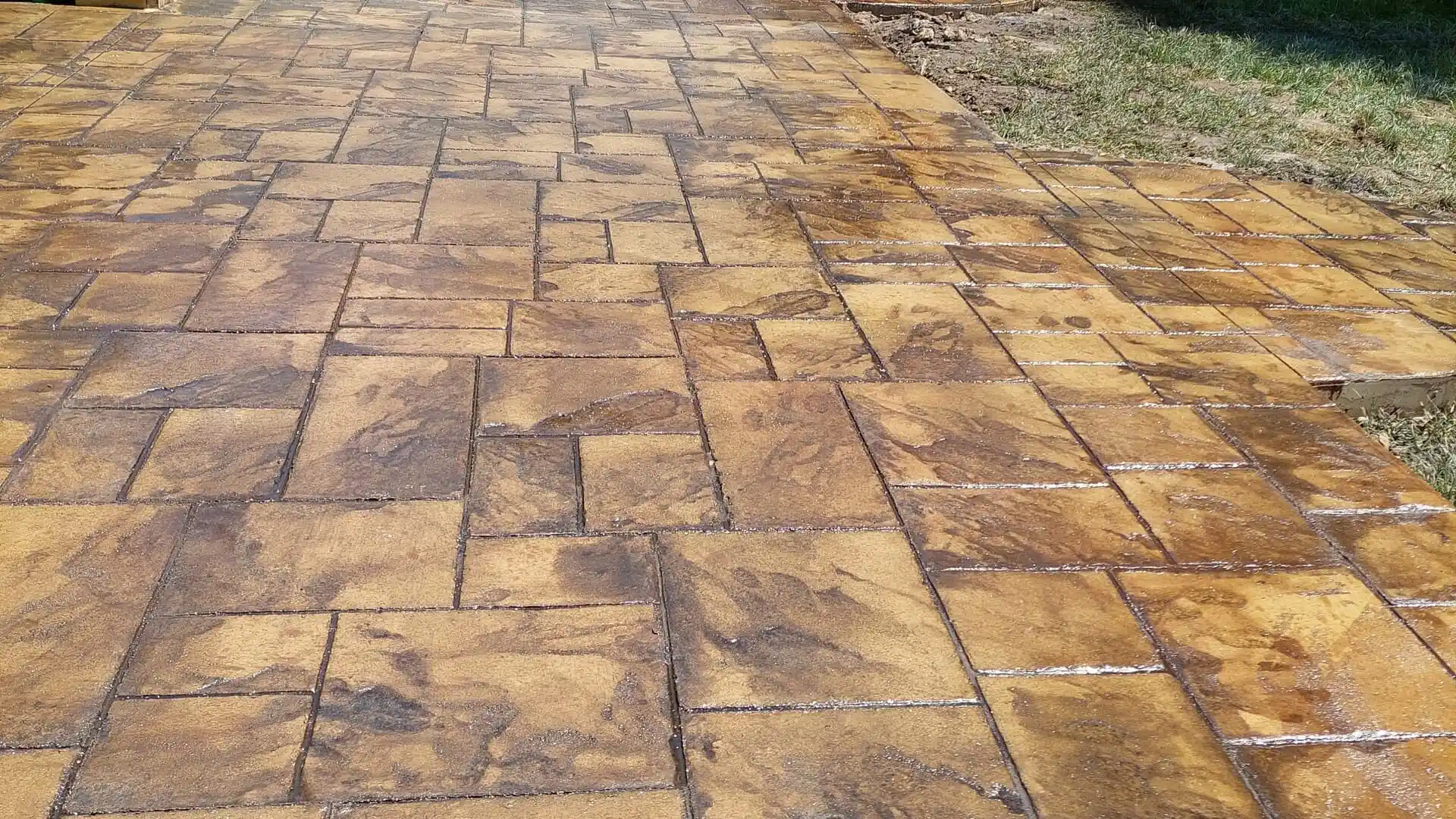
Stamped concrete services allow property owners to achieve the look of natural stone, brick, or pavers at a more accessible price point. A stamped concrete contractor creates custom patterns and textures that elevate curb appeal while maintaining the durability and low maintenance concrete provides. Popular applications include pool decks, patios, and front entryways.
Concrete patio construction expands outdoor living space for entertaining, dining, or relaxation. These projects range from simple rectangular slabs to elaborate multi-level designs with integrated seating walls, fire pit surrounds, and decorative borders. A concrete patio contractor considers sun exposure, drainage, and how the space connects to existing landscaping and home architecture.
Foundation slabs provide the structural base for homes, garages, sheds, and commercial buildings. This critical work requires precision in layout, proper reinforcement placement, and careful attention to local soil conditions that affect long-term performance.
Concrete leveling addresses settling and uneven surfaces that create safety hazards and drainage problems. This specialized service can extend the life of existing concrete by correcting issues before they worsen.
Additional services often include concrete cutting for expansion joints or utility access, decorative concrete finishes, and both residential concrete service for homeowners and commercial concrete service for business properties throughout Stone Mountain, Suwanee, Loganville, and the broader service area.
Essential Factors That Separate Quality Contractors from the Rest
Selecting the right masonry contractor directly impacts your project’s outcome, longevity, and overall satisfaction. Several key factors help you identify professionals who will deliver quality results rather than cutting corners or disappearing mid-project.
Experience matters significantly in masonry work. Contractors with decades of hands-on work have encountered virtually every challenge and developed proven solutions. They understand how different materials perform over time, which techniques work best for specific applications, and how to anticipate problems before they occur. Family-based businesses often carry this knowledge across generations, refining their approach through thousands of completed projects.
Proper licensing and insurance protect you from liability and ensure the contractor meets state and local requirements. Request proof of current general liability insurance and workers’ compensation coverage before signing any agreement. This documentation demonstrates professionalism and protects you if accidents occur on your property.
Communication style reveals much about how a contractor operates. Do they return calls promptly? Answer questions patiently? Explain options clearly without pressuring you toward the most expensive choice? A contractor who communicates well during the estimate phase will likely maintain that standard throughout the project.
Quality over speed distinguishes superior contractors from those who rush through jobs. Ask about their approach to site preparation, curing times, and finishing work. Contractors who emphasize doing things right rather than doing things fast typically deliver better long-term results.
Customization capability separates contractors who offer cookie-cutter solutions from those who tailor each project to the client’s specific vision and property characteristics. The best professionals listen carefully to what you want, offer suggestions based on their experience, and work collaboratively to achieve results that reflect your preferences.
References and completed project examples provide tangible evidence of quality. Request photos of recent work similar to your project and contact information for past clients. Speaking with previous customers offers insights into reliability, problem-solving ability, and overall satisfaction that you cannot get from marketing materials alone.
Detailed written estimates prevent misunderstandings and provide a basis for comparing contractors fairly. The estimate should specify materials, scope of work, timeline, payment schedule, and any warranties or guarantees. Be cautious of unusually low bids that may indicate substandard materials or shortcuts in the process.
Willingness to go the extra mile often shows up in small details. Does the contractor suggest improvements you had not considered? Do they explain maintenance requirements? Do they guarantee their work and stand behind it if issues arise? These indicators suggest a professional who treats your project with the same care they would give their own property.
Local reputation in communities like Lawrenceville, Dacula, Snellville, and throughout the service area carries weight. Contractors who have built their business on referrals and repeat customers have strong incentives to maintain high standards and resolve any issues quickly and fairly.
What to Expect During Your Concrete Installation
Understanding the masonry project process helps you prepare appropriately and know what to expect at each stage. While specific details vary by project type and size, most installations follow a similar sequence.
The initial consultation and site assessment establish project parameters. The contractor visits your property to evaluate existing conditions, discuss your goals, take measurements, and identify any potential challenges. During this phase, you will discuss design options, material choices, color preferences, and budget considerations. A thorough assessment in Lawrenceville includes examining soil conditions, drainage patterns, and how Georgia’s clay-heavy soil may affect the project.
Following the site visit, you receive a detailed written proposal outlining the scope of work, materials to be used, project timeline, and total cost. This document should answer all your questions and provide clarity about what is included and what is not. Review it carefully and ask for clarification on any unclear points before signing.
Once you approve the proposal, the contractor schedules your project based on their calendar and weather considerations. Spring and fall represent the busiest seasons in the region as mild temperatures create ideal working conditions. Summer projects require careful timing around afternoon storms, while winter work may face delays from occasional freezing temperatures that affect concrete curing.
Site preparation begins the physical work. This phase includes marking utility lines, setting up erosion control measures if needed, removing existing materials or vegetation, and excavating to the proper depth. Proper base preparation proves critical for long-term performance. The contractor compacts the subgrade, adds gravel base material if specified, and ensures correct grading for drainage.
Form installation creates the boundaries for poured concrete. Forms must be level, properly braced, and positioned to achieve the desired thickness and edges. For decorative work like stamped concrete, the contractor may add color to the concrete mix at this stage.
Concrete placement requires coordination and timing. The material arrives ready-mixed and must be placed, spread, and finished within a limited working window. The crew works systematically to ensure consistent thickness, proper consolidation to eliminate air pockets, and smooth or textured finishing as specified.
For decorative concrete, finishing work includes applying color hardeners, stamping patterns while the concrete remains workable, and adding texture or saw-cut control joints. This phase demands skill and experience to achieve professional results.
Curing follows placement and allows the concrete to gain strength properly. In Georgia’s humid climate, contractors typically apply curing compounds and may cover the surface to retain moisture. Depending on the project and weather conditions, initial curing takes several days, but full strength develops over several weeks.
Final steps include removing forms, cleaning the surface, applying sealers if specified, and conducting a final walkthrough to ensure everything meets the agreed specifications. The contractor should explain maintenance requirements and answer any remaining questions.
Throughout the process, professional contractors maintain clear communication, keep the work area as clean as possible, and minimize disruption to your daily routine. They address unexpected issues promptly and keep you informed of progress and any necessary adjustments to the timeline.
The Advantages of Working with Lawrenceville-Based Professionals
Choosing a local masonry contractor provides distinct advantages that out-of-area companies cannot match. These benefits extend beyond simple convenience to affect project quality, long-term performance, and overall satisfaction.
Local contractors understand regional climate conditions intimately. They know how Georgia’s humid summers affect curing times, how winter temperature swings influence material selection, and how heavy spring rains impact drainage planning. This firsthand knowledge gained from years of working in Gwinnett County and surrounding areas translates directly into better project decisions and fewer problems down the road.
Soil conditions vary significantly across the region, and local professionals recognize these differences. The expansive clay soils common throughout the area require specific base preparation and reinforcement strategies. A contractor familiar with these conditions incorporates appropriate techniques from the start rather than discovering issues after problems develop.
Building code familiarity ensures your project meets all local requirements without delays or costly corrections. Contractors who regularly work in Lawrenceville, Snellville, Lilburn, and nearby communities understand permit requirements, inspection procedures, and specific code provisions that apply to your location.
Established local reputation creates accountability. Contractors who live and work in the community depend on satisfied customers, positive referrals, and long-term relationships. They have strong incentives to deliver quality work, address concerns promptly, and stand behind their installations because their business success depends on local reputation.
Accessibility matters when you have questions, need maintenance advice, or encounter unexpected issues. Local contractors can respond quickly rather than coordinating service from distant locations. This responsiveness proves particularly valuable during the warranty period or if you decide to expand your project in the future.
Community connections often benefit customers in practical ways. Local contractors typically have established relationships with quality material suppliers, ensuring reliable product availability and potentially better pricing. They know which local resources work best for specific applications and can source specialized materials when projects require them.
Economic impact considerations matter to many property owners. Hiring local contractors keeps money circulating in your community, supports local families, and contributes to the area’s overall economic health.
For property owners throughout Dacula, Duluth, Monroe, Tucker, Decatur, Stonecrest, Stone Mountain, Suwanee, Loganville, North Druid Hills, and the broader Gwinnett and DeKalb County areas, working with established local professionals provides confidence that your project will be handled with care, precision, and accountability.
When you are ready to move forward with your masonry project, contact a local contractor with deep roots in the Lawrenceville community. Look for professionals who bring decades of combined experience, treat each project with personal attention, and have built their reputation on quality workmanship and customer satisfaction. Request a consultation to discuss your specific needs, explore design options, and receive a detailed proposal tailored to your property and budget. The right local contractor will answer your questions patiently, provide references from satisfied customers, and work collaboratively with you to achieve results that enhance your property for years to come.